


Culinary Institute of America and Sakai Ichimonji Mitsuhide
For the last few years, we have had the honor of welcoming a cohort from the Culinary Institute of America into our store as part of their Japanese Cuisine and Culture studies program.
2026 was no different as we welcomed in thirteen students of different culinary and cultural backgrounds to learn all about Japanese kitchen knives and their history, in conjunction with and supported by Tsuji Culinary Institute.
Enjoy a quick writeup about the event, and learn how institutions can get involved with us to teach their students as much as possible about the world of Japanese cuisine.
Kitchen Knives and History
An important part of understanding any cuisine is to know the tools involved in creating it, and what better way to understand tools than to know the history behind them?
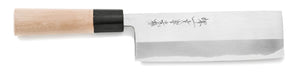
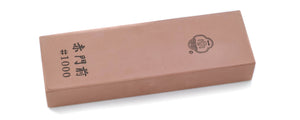
Led by our international team, students were given an hour-long lecture in a variety of kitchen knife related subjects. This started with the history of Sakai kitchen knifemaking before moving through to the key components of Japanese culinary tools—single-edged knives, high-carbon steel knives, and the whetstones used to maintain these delicate and precise cutting implements.
Knifemaking history in Sakai truly starts around 600 years ago, but some of the first agricultural knives were found in modern-day Osaka which hail from as far back as the Yayoi period (300 BCE–300 CE), so knives as themselves have a much larger history in Japan, even if it wasn't necessarily Japanese knives at first.
You can find our more about knifemaking history by attending one of our history lectures, available through our ICHITOI Page.
Sharpening and Shopping
An important part of our philosophy towards kitchen knives is promoting the culture itself, and the best way we feel we can do that is by teaching people how to sharpen.
Of course, these students knew sharpening very well, but there's always something we can teach, such as sharpening single-edged knives, or strategies to reduce risk of injury or prevent the knife wobbling during sharpening. You can see some of these strategies for double-sided knives too in our How to Sharpen videos on YouTube.
Many of the students had a great time learning something new, on top of trying and buying new kitchen knives of their own. These knives are lifelong partners and a promise made between us and them to make sure we are looking after these students through the long culinary future that lies ahead of them.
Many of the students also got their names engraved onto their new knives, which further symbolises and connects us to them, as their name engraving lays right next to the engraving of our own brand, each being as needed as the other.
Doguyasuji: The Beating Heart of Kitchenware
While we value ourselves as a high quality knife store, we are not in Osaka by ourselves. Infact, we are located on one of the most famous shopping streets for kitchenware in Japan and the world!
Kappabashi in the East. Doguyasuji in the West.
Doguyasuji is where we are based, and have always been based since our founding in the early 1950s. After spending some time with us, some of the students got to enjoy walking around the rest of the street itself, admiring or even picking up other kitchenware goods. That said, it's important to spend time picking a kitchen knife if you plan on using it for decades to come, so many of them stayed with us until we closed up for the day, meticulously inspecting and comparing different choices to find the knife best for their needs.
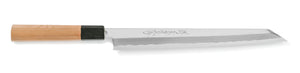
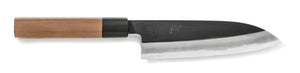
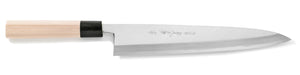
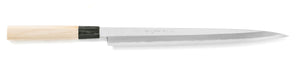
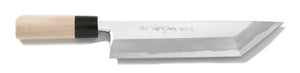
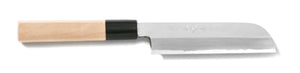
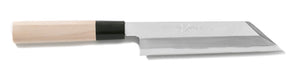
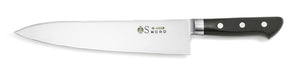
And everyone's needs were different! There was no real common choice the students picked this year (previous years has seen many of them pick up our Montanren White Steel #1 Gyuto and Kiritsuke-Gyuto knives though), and a large variety of yanagiba, santoku, gyuto, and other knives were chosen.
No matter the knife, we are thankful they chose to align with us for what they need, and we look forward to maintaining and looking after their partner tools for a lifetime.
How to Register Your Interest
Are you part of a school as a student or staff member who is interested in learning about Japanese culinary culture?
Feel free to reach out to us via our contact page or using our social media. Whether it is through online sessions or in person in our store, we are always interested in furthering worldwide education in knifemaking, traditional tool culture, and Osakan foodways.
If you are a student wanting your school or institution to work with us, be sure to provide the appropriate information so we can contact them.
If you are a faculty member, please let us know as much as possible about your educational style and school, so we can see if we fit well or need to modify anything on our side. While we can always help out via zoom or video calls, we are especially interested in helping any exchange programs or overseas study options attending Osaka and Japan.
In either case, please contact us using an educational institution email address, so we can verify your identity.
We deeply thank both The Culinary Institute of America and Tsuji Culinary Institute for involving us in their program.
Live The Experience Via Video
The Culinary Institute of America has posted a video about their experience with us and Doguyasuji in 2025. We highly encourage you to watch it and see precisely what we can offer you or your educational institution!