
-
Japanese Knives
-
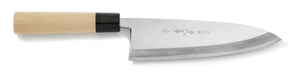 Deba Knives
 -
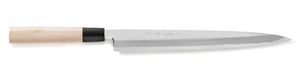 Yanagiba Sashimi Knives
 -
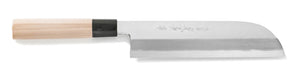 Usuba Knives
 -
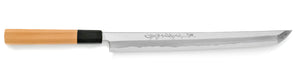 Sakimaru Takobiki Knives
 -
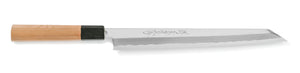 Kiritsuke Yanagiba Knives
 -
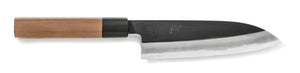 Wa-Santoku Knives
 -
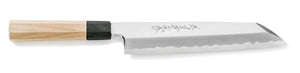 Kiritsuke Knives
 -
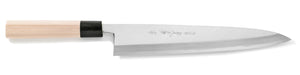 Mioroshi Knives
 -
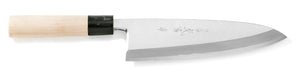 Aideba Knives
 -
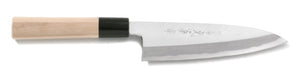 Funayuki Knives
 -
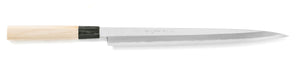 Fugubiki Knives
 -
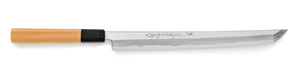 Takobiki Sashimi Knives
 -
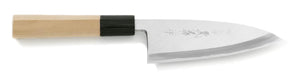 Aji-Kiri Knives
 -
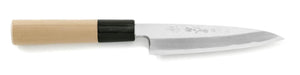 Baran-Kiri Knives
 -
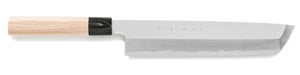 Hamo Honekiri Knives
 -
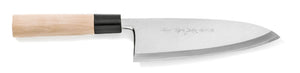 Fugu Deba Knives
 -
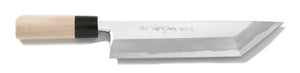 Unagi Saki Knives
 -
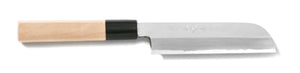 Mukimono Knives
 -
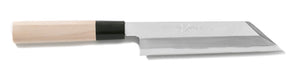 Kenmuki Knives
 -
 Sobakiri Knives
-
- Western Knives
- Damascus Knives
- Home Kitchen Knives
- Accessories
- Gifts
- All Products
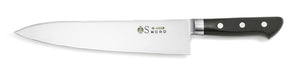
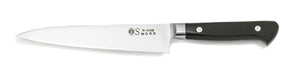
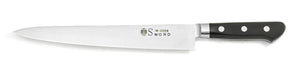
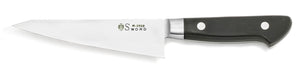
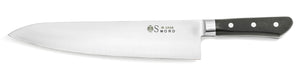
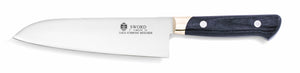
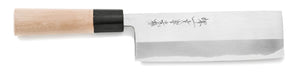
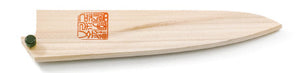
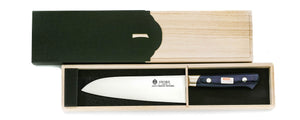


Stanless Steel Wa-Santoku with Sakura Handle – Fine Textured Finish
Crafted with precision and tradition, this Wa-Santoku knife features a core of Silver Steel #3, known for its excellent edge retention and ease of sharpening. The blade showcases a fine textured finish that reflects skilled craftsmanship while enhancing food release during cutting. Paired with a lightweight, octagonal Sakura (cherry wood) handle and a classic ferrule made of buffalo horn, this knife is well-balanced and ideal for everyday kitchen tasks—from slicing vegetables to cutting proteins. A perfect choice for both home cooks and professional chefs seeking a reliable and elegant all-purpose Japanese knife.
| Product number | Actual Blade Length (mm) | Full Length (mm) | Total Weight (g) |
|---|---|---|---|
| 1bgss | 170 | 320 | 150 |
| Blade | Material Name | Handle |
|---|---|---|

Double Edged |
Ginsan Steel(Silver #3) | Sakura wood handle |
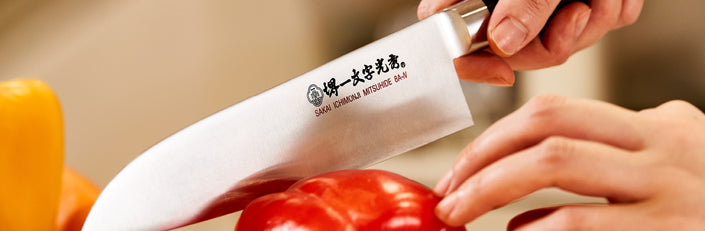
Wa-Santoku
A Wa-Santoku is typically used in households around Japan. Unlike the standard Santoku, the Wa-Santoku has a traditional Japanese handle which shifts the balance point slightly,allowing more nimble cutting.
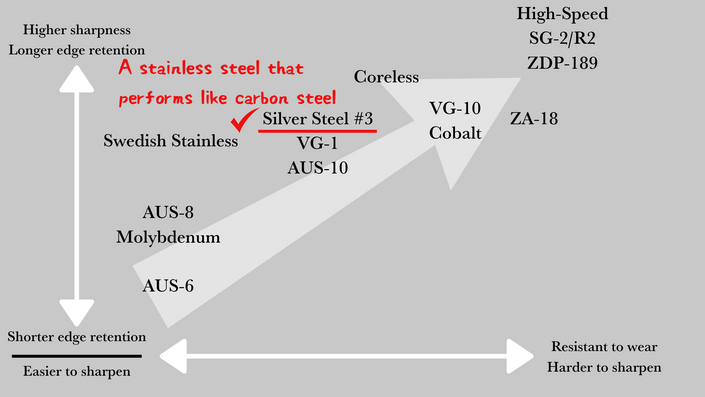
Silver Steel #3
Often used for traditional Japanese stainless steel knives. Known for ease of sharpening and rust resistance, all while performing like a carbon steel knife.
Stainless Steel
Silver Steel #3 is a traditional stainless steel, used for many years in the Japanese kitchen knife world and trusted by chefs who need premium sharpness. Hitachi Metals, a manufacturer of carbon steels like White Steel and Blue Steel, developed Silver Steel #3 as a rust-resistant stainless steel, with increased carbon levels to allow it to perform more like a traditional carbon steel knife. It has brilliant edge retention, and is suitable for people who need to use a knife for longer sessions and still want amazing cutting power, but are concerned about rust. This is popular with professionals, home users and newcomers alike.
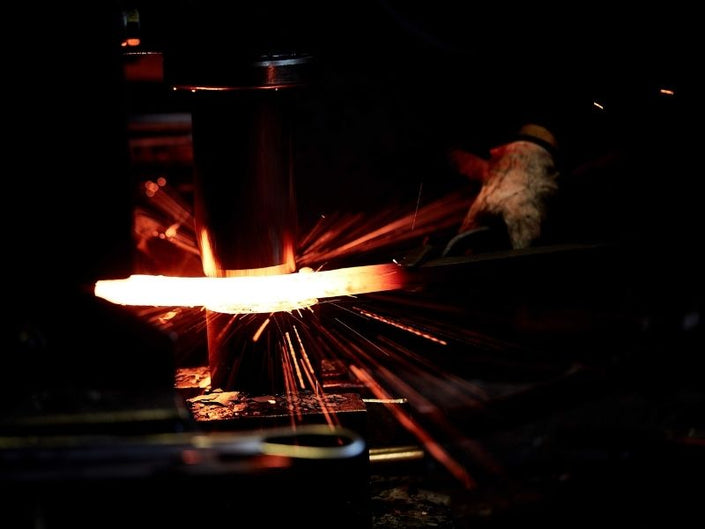
Forge Welded
Forge Welded knives undergo a forging process where steel is heated to high temperatures and then shaped with a hammer. This carefully done process changes the internal structure of the steel, producing a blade with superior hardness levels. Highly skilled craftspeople forge, quench, and create the knife's cutting edge by hand, resulting in a sharp blade with long edge retention.

Optional Engraving
Optional Engraving Service
Sakai Ichimonji provides complimentary engraving using either Japanese Kanji or English Alphabet. Please specify your preference. For details, please visit here

A knife store that has supported the history of knives and food culture in Japan.
It has been 600 years since the birth of swordmaking in the Sakai region of Japan. Sakai Ichimonji Mitsuhide's and it's craftsmen continue to build on that legacy by producing the finest blades in Japan.
This is where the culture of completing a dish of sashimi by "just cutting" and the culture of expressing sharpness as "taste" was born.
For 70 years, we have been connecting the spirit of Sakai's craftsmen with the passion of chefs in Osaka's kitchen equipment shopping district, known as the kitchen of Japan.
We are very happy that our knives can be used by people all over the world.
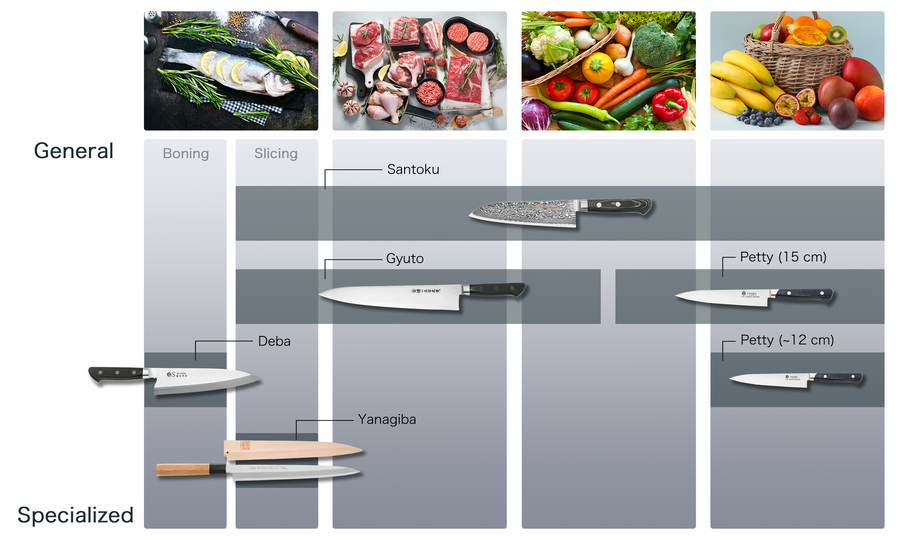
How to Choose a Japanese Kitchen Knife for Beginners
Japanese kitchen knives are famous for their design, history, and cutting performance. This guide will help you select the best knife for your needs.