-
Japanese Knives
-
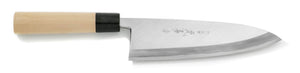 Deba Knives
-
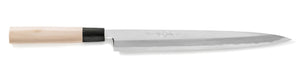 Yanagiba Sashimi Knives
-
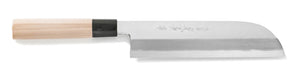 Usuba Knives
-
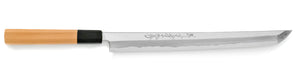 Sakimaru Takobiki Knives
-
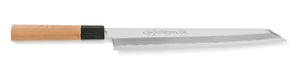 Kiritsuke Yanagiba Knives
-
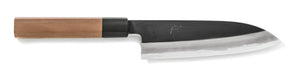 Wa-Santoku Knives
-
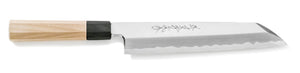 Kiritsuke Knives
-
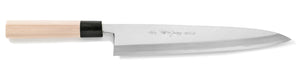 Mioroshi Knives
-
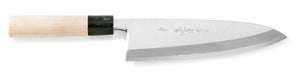 Aideba Knives
-
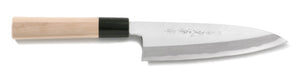 Funayuki Knives
-
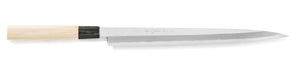 Fugubiki Knives
-
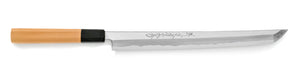 Takobiki Sashimi Knives
-
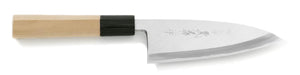 Aji-Kiri Knives
-
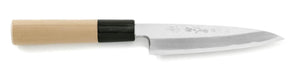 Baran-Kiri Knives
-
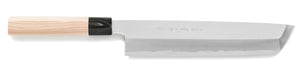 Hamo Honekiri Knives
-
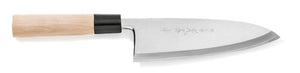 Fugu Deba Knives
-
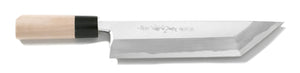 Unagi Saki Knives
-
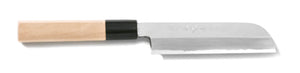 Mukimono Knives
-
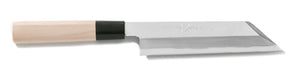 Kenmuki Knives
-
 Sobakiri Knives
-
- Western Knives
- Damascus Knives
- Home Kitchen Knives
- Accessories
- Gifts
- All Products
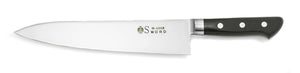
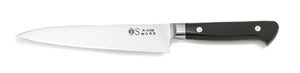
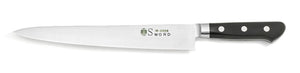
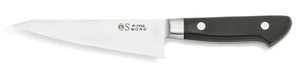
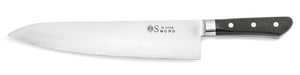
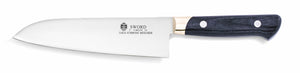
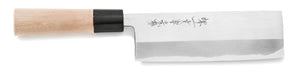
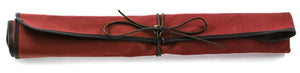
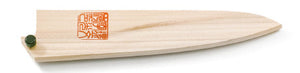
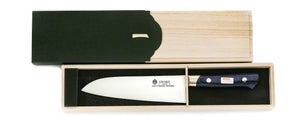


Ichimonji VG XEOS Hand-Forged 170mm Santoku Knife
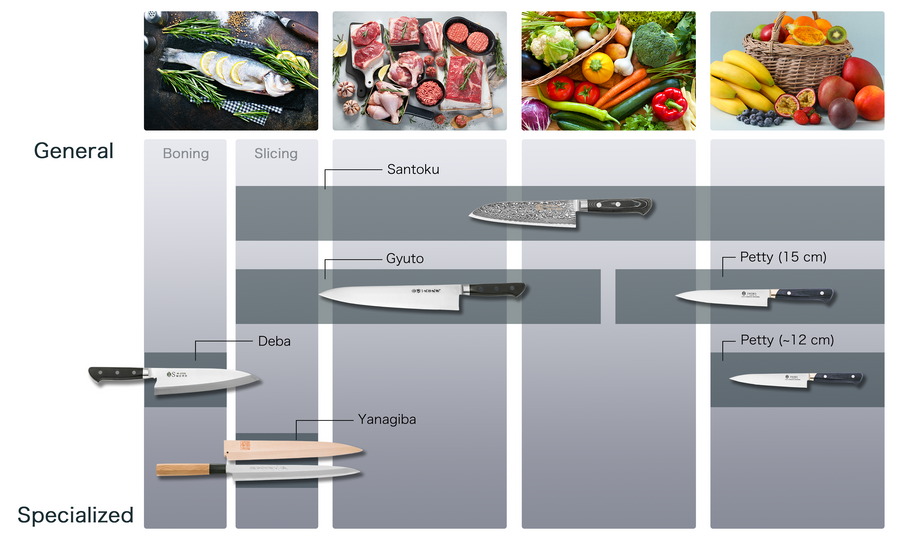
Bring Japanese craftsmanship to your everyday cooking with this versatile santoku from Ichimonji. Ideal for preparing meat, fish, vegetables, and fruit, it is an all-purpose knife for a wide range of kitchen tasks.
The VG XEOS stainless steel blade is hand-forged, heat-treated, and sharpened by skilled craftspeople, with careful attention to sharpness and edge retention.
| Product number | Actual Blade Length (mm) | Full Length (mm) | Total Weight (g) |
|---|---|---|---|
| 1hxes | 170 | 310 | 152 |
| Blade | Material Name | Handle |
|---|---|---|

Double Edged |
VG XEOS | Rose Handle |
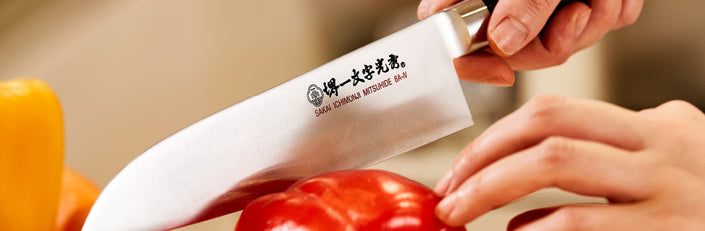
Wa-Santoku
A Wa-Santoku is typically used in households around Japan. Unlike the standard Santoku, the Wa-Santoku has a traditional Japanese handle which shifts the balance point slightly,allowing more nimble cutting.
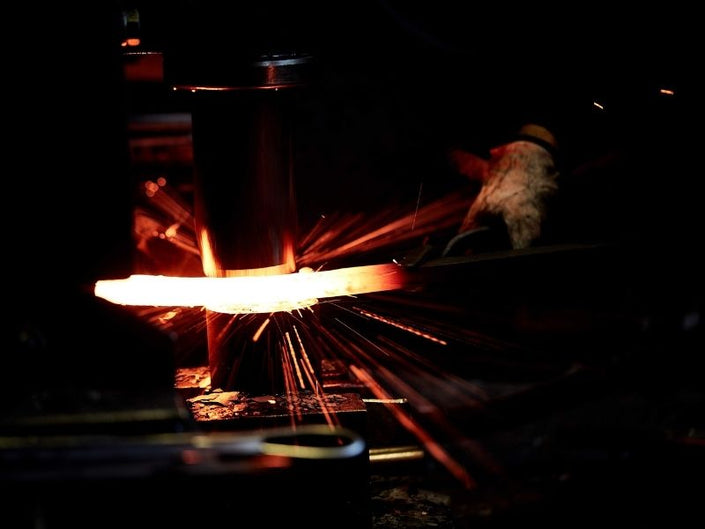
Forge Welded
Forge Welded knives undergo a forging process where steel is heated to high temperatures and then shaped with a hammer. This carefully done process changes the internal structure of the steel, producing a blade with superior hardness levels. Highly skilled craftspeople forge, quench, and create the knife's cutting edge by hand, resulting in a sharp blade with long edge retention.
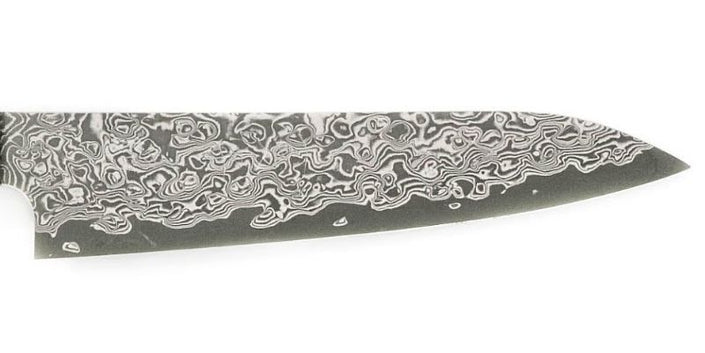
Damascus
Damascus is a knifemaking technique. It involves layering two types of steel with different hardness levels together to create a unique pattern. The knife is polished after it's shaped, making the harder steel shiny while leaving the softer steel dull, creating a ripple effect that resembles wood grain on the blade's surface. The ripples resemble the ripples of Wootz steel made in ancient Damascus, so the pattern is referred to as Damascus today. This beautiful pattern has garnered a high reputation and is popular in the kitchen knife community.

Optional Engraving
Optional Engraving Service
Sakai Ichimonji provides complimentary engraving using either Japanese Kanji or English Alphabet. Please specify your preference. For details, please visit here

A knife store that has supported the history of knives and food culture in Japan.
It has been 600 years since the birth of swordmaking in the Sakai region of Japan. Sakai Ichimonji Mitsuhide's and it's craftsmen continue to build on that legacy by producing the finest blades in Japan.
This is where the culture of completing a dish of sashimi by "just cutting" and the culture of expressing sharpness as "taste" was born.
For 70 years, we have been connecting the spirit of Sakai's craftsmen with the passion of chefs in Osaka's kitchen equipment shopping district, known as the kitchen of Japan.
We are very happy that our knives can be used by people all over the world.
Precautions
After use, wash off any dirt and wipe thoroughly with a dry cloth to remove any moisture. This product is not for use with frozen foods.This product is handmade, so each piece will be different. Please use the weight and length listed as a guide. Each material is natural and may vary in color. It is not the same as the picture.We take great care with our inventory, but in the unlikely event that we are out of stock, we will contact you by email to let you know.